



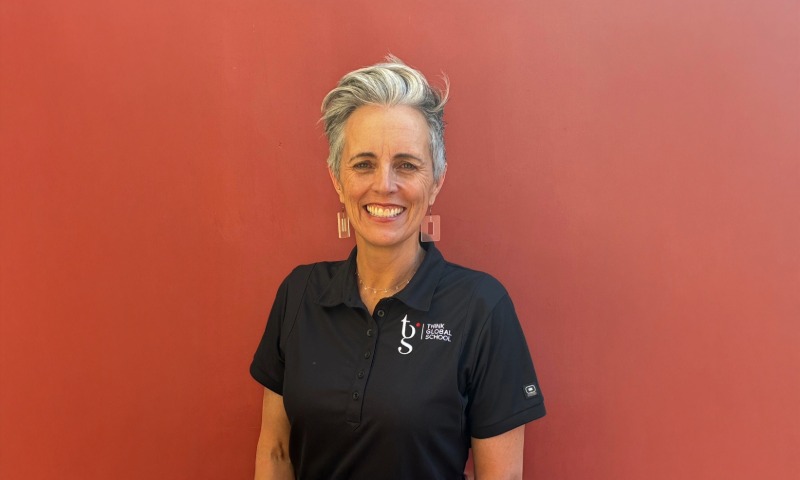
Passionate about student agency, wellbeing, and creative potential, Jen is committed to building positive, equitable, and engaging learning environments. With extensive experience in progressive and trailblazing schools, she brings a deep understanding of how to turn educational vision into meaningful change. Jen is Principal of THINK Global school, the world’s first travelling boarding school. A dedicated lifelong learner, Jen holds a Master of Education from The University of Melbourne, where she researched how schools can foster “flow” in learning, and a second Master’s degree from Deakin University, focusing on the experiences of graduate teachers. Beyond education, Jen is an adventure-seeker and creative spirit. Whether hiking, camping off the grid, or creating ceramics and short films, she brings curiosity, playfulness, and a love of storytelling to everything she does.
Recently, in an exclusive interview with K12 Digest, Jen shared insights into her journey as an educator, the power of human-centered learning, and THINK Global School’s innovative approach to education. She also shared her personal hobbies and interests, future plans, words of wisdom, and much more. The following excerpts are taken from the interview.
Hi Jen. Can you walk us through your career journey, and how you’ve progressed from a teacher to a school leader?
My career began in some fairly unconventional places. At 26, I found myself working as a language teacher for the United Nations in Timor Leste, an experience that shaped me profoundly at a formative stage of my life. It wasn’t something I had deliberately set out to do; rather, it grew out of a genuine love of different cultures, places, and people, and a curiosity about how education functions across contexts. That early experience taught me that learning is deeply relational and inseparable from lived experience, especially in environments shaped by displacement, difference, and change. From there, I continued to seek out international teaching roles with two of my favourite places being in Riyadh, Saudi Arabia and Bali, Indonesia. I’ve always carried with me the understanding that education is always human before it is academic. My progression into school leadership, particularly at THINK Global School, felt less like a shift in direction and more like an expansion of that original insight: that schools have the power to shape not only what young people know, but who they become, especially when learning is grounded in empathy, trust, and connection.
What do you think sets THINK Global School apart as an educational institution?
What truly sets THINK Global School apart is that it understands education as something that must be lived in order to be meaningful. The school’s global, traveling model reflects a belief that learning happens through immersion, relationship, and reflection, not just instruction. Students are continually invited into new cultural contexts, asked to listen carefully, adapt thoughtfully, and reflect on their own identities as they move through the world. This approach honors students as whole human beings, capable of responsibility, curiosity, and growth, and it challenges the idea that education should be confined to static classrooms or predetermined pathways.
What do you believe are the most significant challenges facing education today, and how do you think they can be addressed?
One of the most significant challenges facing education today is the human experience. Many systems prioritize efficiency, predictability, and narrow definitions of success, often at the expense of curiosity, wellbeing, and relevance. Students feel this disconnection acutely. Addressing it requires re-centering education around relationships and purpose, designing learning that is responsive to the world students are actually living in. When learning is grounded in real places, real questions, and real responsibility, students engage not because they have to, but because it matters.
How do you think about the intersection of education and creativity, and what role do you see arts playing in educational settings?
I see creativity as fundamental to how humans learn and make meaning. The arts, in particular, create space for emotion, ambiguity, and multiple perspectives, all of which are essential for deep understanding. At THINK Global School, creativity is woven throughout the learning experience, whether students are telling stories, designing solutions, or reflecting on identity and place. The arts help students express what they are learning about the world and about themselves, and they cultivate the kind of flexible, empathetic thinking that complex global challenges demand.
Can you share your thoughts on the importance of diversity, equity, and inclusion in education?
Diversity, equity, and inclusion are inseparable from human-centered education. Learning across cultures, as our students do, makes it impossible to treat diversity, equity, and inclusion as a theoretical exercise. It becomes lived, relational, and ongoing. Inclusive education requires not only representation, but intentional reflection on power, perspective, and belonging. When schools create environments where students feel seen and valued while also being challenged to engage respectfully with difference, they help young people develop empathy, humility, and a sense of shared responsibility.
What is your favorite quote?
One of my favorite quotes comes from Jane Goodall, who once said, “It actually doesn’t take much to be considered a difficult woman. That’s why there are so many of us.” I love this quote because it reframes difficulty as conviction and courage. In education, especially when pushing against conventional systems or advocating for more humane, equitable approaches, being labeled “difficult” often simply means being unwilling to accept the status quo. It’s a reminder that meaningful change is rarely comfortable, and that collective progress often begins with individuals who are prepared to ask hard questions and persist anyway.
Can you tell me about a role model or mentor who has inspired you?
I have been most inspired by mentors who lead with humanity at the center of their work. Leaders I have worked with, particularly at THINK Global School, have shown me that strong leadership is rooted in listening, trust, and care, not control. They have modeled how to hold high expectations while remaining deeply attentive to the people doing the work.
What are your passions outside of work?
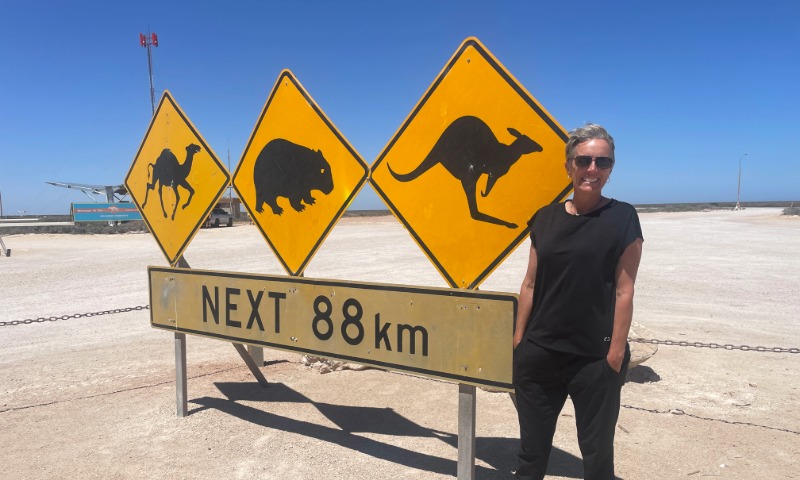
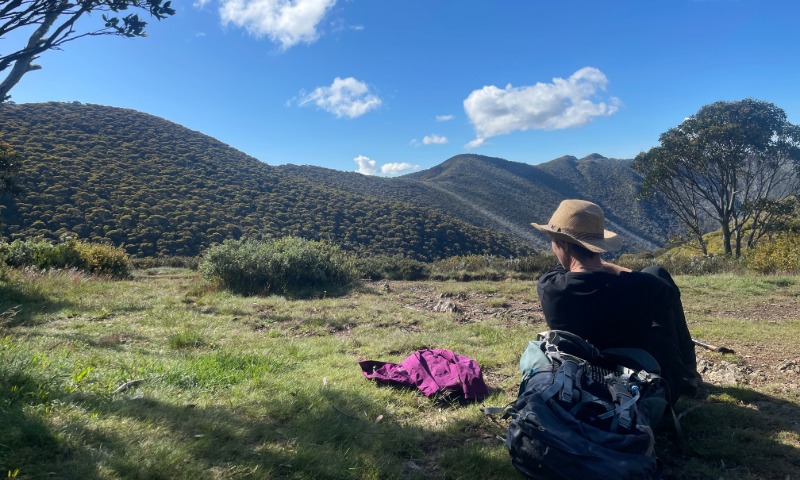
Outside of work, I am passionate about travel, learning from different cultures, and spending time in environments that invite reflection and curiosity. I also have a pottery wheel at home, so when not travelling, I truly enjoy being in a creative space and making my “wonky” pots.
Where do you see yourself in the next 5 years?
In the next five years, I see myself continuing to work in roles that allow me to shape and support human-centered educational models. I am interested in contributing to spaces that challenge conventional schooling while remaining deeply relational, and in mentoring educators who are navigating complexity with care and purpose.
What advice would you give to aspiring educators or leaders looking to make a positive impact?
To aspiring educators and leaders, I would say this: stay close to the human heart of the work. Slow things down and make time for being present. Education is not about perfect systems or fixed answers, but about relationships, curiosity, and growth over time. Be willing to take unconventional paths, listen deeply, and learn alongside your students. When you design learning experiences that honor vulnerability, purpose, and connection, you create conditions where meaningful change, for both individuals and communities, can take root.