



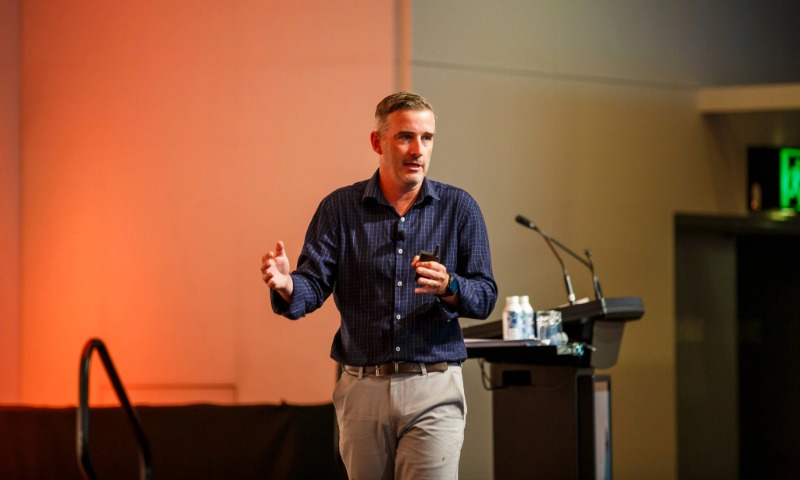
Steven Trotter is a nationally awarded Australian educational leader, author and leadership specialist with more than twenty years in the profession. His career spans senior and executive roles across metropolitan, rural and residential settings, where he has built a reputation for strengthening teams, designing the conditions for sustained improvement and building the capacity of leaders and their teams to have a greater impact. Steven’s work centres on adult learning, leadership capability and the practical mechanics of leading change. Outside of his ‘day job’ as a school leader, Steven also coaches, mentors’ leaders, keynotes and runs workshops on leadership development and sustained impact on improvement. He continues to shape leadership thinking across Australia. Known for his clear process-driven approach and research-informed practice, Steven helps leaders move from overwhelm to intentional impact.
Recently, in an exclusive interview with K12 Digest, Steven shared his professional trajectory, insights into the role of technology in enhancing teaching and learning, and how educational leaders can prioritize student well-being and success. He also shared his personal hobbies and interests, future plans, words of wisdom, and much more. The following excerpts are taken from the interview.
Hi Steven. Please tell us about your background and areas of expertise.
I have worked in education for two decades and spent most of that time as a senior leader across diverse school contexts, from large metropolitan settings to small rural communities. My expertise sits in building strong teams, designing intentional leadership processes and helping adults grow their capability to lead sustained improvement. I have led and transformed multiple environments by articulating a clear and aspirational direction, lifting collective confidence and shifting learning environments to be recognised as high performing.
What do you love the most about your current role?
The most complex part of my role is also the part I value most. People. I measure my success by the success of those I lead. Students are always at the centre, but my day-to-day work focuses on developing the adults who influence them. When leaders grow in clarity, confidence and capability, their impact on teaching and learning expands.
What role do you think technology plays in enhancing teaching and learning?
We have seen a significant shift in technology, however historically we have always had advances in new and exciting technological changes, some support education some add complexity. Technology should enhance learning, however we cannot and should not replace the human elements that matter most. Students need safe and meaningful exposure to digital tools, but deep thinking, cognitive development and problem solving still come from rich relationships between educators and learners. Technology supports learning, but it cannot replicate the connection, relationship, challenge and feedback that outstanding education environments provide.
How do you think educational leaders can prioritize student well-being and success?
Student wellbeing and learning are inseparable. Students need to feel safe and happy, but they also need stretch, rigour and opportunities to build resilience. I encourage my teams to shift their definition of success away from scores and towards effort, persistence and becoming comfortable with discomfort. When we celebrate effort and strong practice, confidence grows and academic results follow. We end up with a balanced high expectation work environment that celebrate effort and support a high level wellbeing environment.
What is your favorite quote?
I have many, but my current favourite is:
“Contrary to popular opinion, listening isn’t passive. It is one of the most active things a leader can do” Chris Voss – Never Split the Different: Negotiating as if your life depends on it. Harper Collins, 2016.

What do you think are some of the most important qualities or skills for education leaders to have, and why?
Educational leaders need a deep awareness of self. Without strong self-understanding and reflective habits, it becomes difficult to adjust behaviours, activate strengths or recognise the impact we have on others. Leaders who can sit comfortably with feedback, acknowledge their own gaps and respond with intention bring out the best in their teams.
Can you share a favorite hobby or interest outside of work that helps you recharge?
Running is my reset. I don’t need to go fast, but it clears my mind and helps me process ideas. Much of my first book was mentally drafted while running laps along my local river. My next book is coming together through clearing my mind with a run. It is my space where energy settles and clarity arrives.
Where do you see yourself in the next 5 years?
In the next five years I want to expand my influence by supporting more leaders to sustain the work and thrive in their roles. I love what I do, and I believe the public narrative around schools and leadership undersells the profession. If I can help leaders shift perspective, reduce overwhelm and lead with greater impact, that is the work I want to keep doing.
What advice would you give to emerging leaders in education?
My advice to emerging leaders is to find a mentor who challenges you, not one who tells you what you want to hear. Build reflective habits and model them openly as a leader still learning alongside your team. Most importantly, invest time in understanding the people in your staffroom. They hold the greatest influence on the culture and learning environment, so know what type of leader each person needs you to be to help them thrive.