



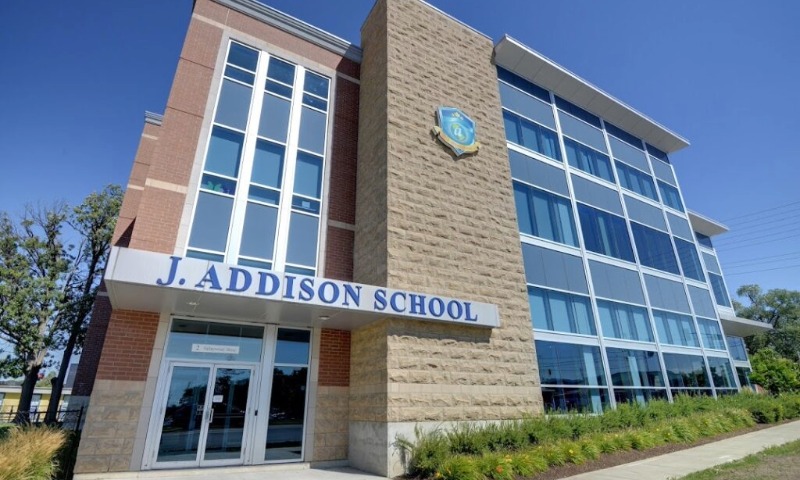
Set just north of Toronto, the city of Markham offers a rare balance. It is close enough to the cultural energy, universities, and opportunities of Toronto, yet grounded in the calm, safety, and openness that families value. As one of Canada’s leading hubs for technology, business, and life sciences, Markham quietly reinforces an idea that runs deep at J. Addison School: education today must prepare students for a global future without losing sight of who they are as individuals.
Within Canada’s respected education ecosystem, J. Addison School has shaped its identity around a simple but demanding belief. Students are more than grades and test scores. Learning, here, is about developing the whole person and nurturing a lasting curiosity for the world. Lee Venditti, Supervising Principal, shares, “Education should help students discover who they are, not just what they can achieve academically.” That philosophy shows up not in slogans, but in daily classroom life.
In the Elementary years, the school delivers the Ontario curriculum, thoughtfully enriched with elements drawn from Reggio Emilia, Montessori, and International Baccalaureate approaches. Teachers blend methods with intention, recognizing that children learn through movement, dialogue, creativity, and inquiry. A classroom might hum with small-group discussion in one corner while students experiment hands-on in another. The atmosphere feels purposeful, but never rushed.
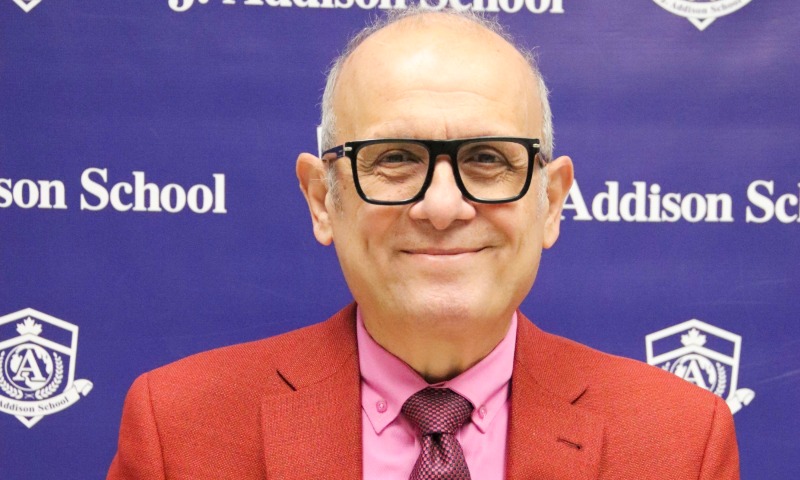
That same student-centered mindset carries into the secondary program. Guidance teams meet students one-on-one. Teachers take time to understand how each learner processes information and responds to challenge. Staff check in, not only about coursework, but about wellbeing. Progress is noticed. Effort is acknowledged. “We want students to feel seen. When they know someone is paying attention, they start taking ownership of their learning,” Venditti explains. The aim is not only university readiness, but the confidence and self-awareness students need to navigate life beyond the classroom.
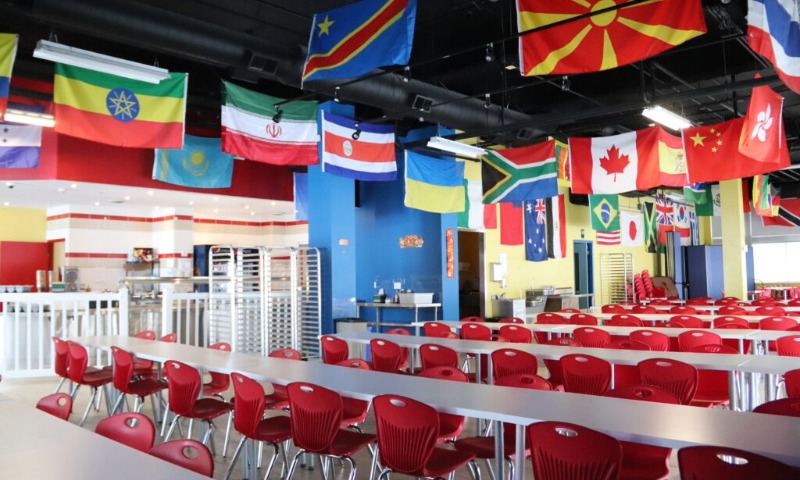
Since its founding in 2002, J. Addison School has welcomed students from across the globe, with learners representing more than 50 countries over the years. Classrooms naturally become spaces where different perspectives meet. Cultural celebrations, shared meals, and participation in local festivals give students daily practice in listening, adapting, and appreciating difference. Families often remark that their children grow more open-minded simply by learning alongside peers from around the world. In a city as diverse as Markham, that experience feels both authentic and essential.
Learning also extends into the community. Students volunteer at events such as the Terry Fox Run and the Markham Santa Claus Parade, and explore nearby heritage areas like Unionville. These moments connect academic learning with real places and people, helping students understand that education does not exist in isolation from the world around them.
At the heart of it all is trust. J. Addison School views education as a partnership among students, families, and educators. That sense of responsibility is especially strong for boarding students, whether local or international. The school’s role goes beyond supervision to mentoring independence, accountability, and healthy routines. Communication with families remains constant through regular meetings and platforms such as Edsembli, ensuring parents remain closely connected to their child’s academic and personal growth.
Where Curiosity Leads and Students Take Ownership
At J. Addison School, the Ontario curriculum serves as a strong foundation rather than a rigid framework. Its flexibility and academic rigor make it particularly effective in a multicultural setting, where students arrive with different learning histories, strengths, and expectations. From the earliest years, the curriculum is enriched through inquiry-based and experiential practices inspired by Montessori, Reggio Emilia, and the International Baccalaureate. The goal is clear. Meet students where they are, while holding them to high academic standards.
In Elementary classrooms, learning often begins with a question rather than an answer. Teachers design lessons that invite exploration and personal discovery, allowing students to engage in ways that feel natural and motivating. This early exposure to inquiry sets the tone for later years, when students are expected to think independently and take responsibility for their progress.
That shift becomes more pronounced in the secondary program. Concepts are introduced, then students are guided through research, discussion, collaboration, and project-based application. For many international students, the experience can feel unfamiliar at first. Participation is expected. Questions are encouraged. Critical thinking is part of everyday classroom life. “It takes time, but you can see the change. Students begin to trust their own thinking. Once that happens, their confidence grows quickly,” says Venditti. Certified teachers maintain academic rigor while adapting instruction to individual learning needs, helping students develop skills that translate well beyond the school environment.
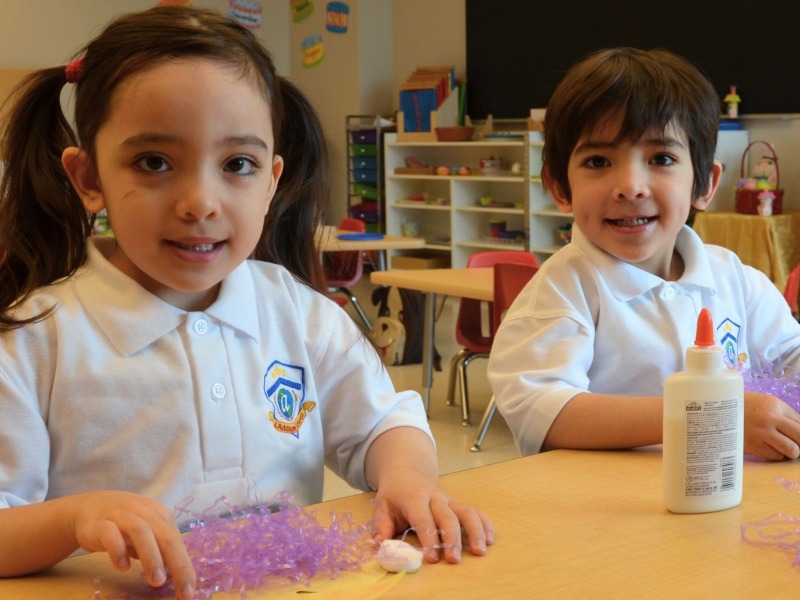
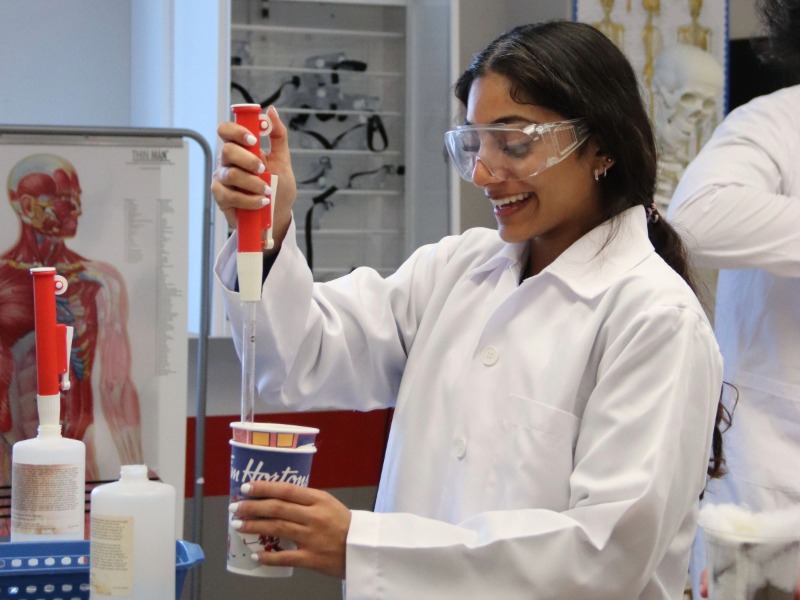
Inquiry-based learning is important in this approach. Students review material independently so class time can be used for debate, experimentation, and problem-solving. A science class might involve building working models. A technology lesson could turn into a coding challenge. Art and language classes invite expression through movement, design, and performance. Teachers track progress closely, offering added challenges to students ready to push further and targeted support to those who need it. With an average class size of 15, teachers know their students well. Strengths are noticed. Gaps are addressed early. No one fades into the background.
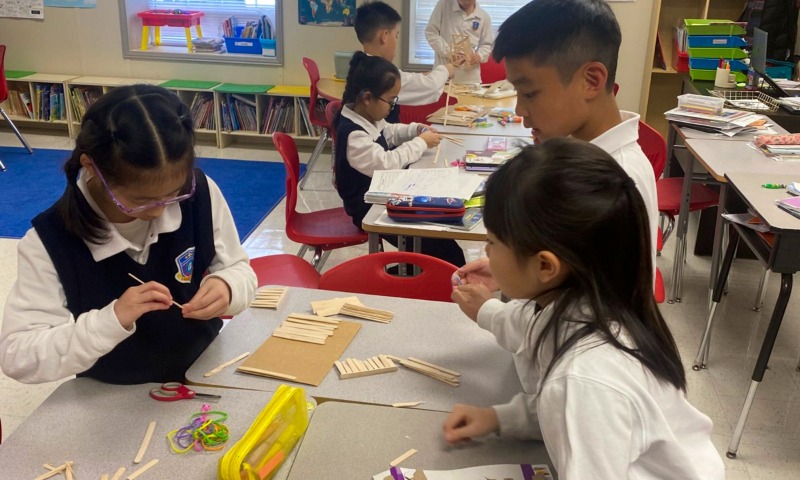
In the Elementary years, this philosophy comes alive through hands-on projects that feel more like discovery than instruction. Students test ideas by building spaghetti structures, explore mechanics through hydraulic models, and bring language learning to life through drama and visual art. Classrooms buzz with conversation and movement. Curiosity leads, and learning follows.
Balance is another defining feature of the school day. The Focus for Success® program creates space beyond traditional academics, giving students a fifth period to concentrate on what they need most. For some, that means academic support. For others, it is sports, the arts, or exploring a new interest. Because the program is cross-grade, students connect with peers who share similar passions, building relationships that extend beyond their usual circles. Families often point to this program as a reason their children remain engaged and motivated. Without the pressure of grades, students learn to manage stress and rediscover the enjoyment of learning.
Responsibility and collaboration are reinforced through experience rather than instruction alone. Group projects, clubs, and leadership roles require students to work together and follow through. Through student council and residence council, students help organize events, support their peers, and collaborate closely with staff. Volunteering initiatives further connect learning to service, reminding students that leadership carries responsibility. “We want students to understand their role in the community. Leadership is about contribution, not position,” Venditti notes.
The results of this approach are evident in student outcomes. Universities frequently commend J. Addison graduates for their academic readiness, maturity, and adaptability. Last year, 92 percent of graduates achieved Ontario Scholar status, and the school maintains a 100 percent post-secondary acceptance rate. Partnerships with York University, Toronto Metropolitan University, Wilfrid Laurier University, and Trent University offer students additional guidance and scholarship opportunities. Admissions teams consistently describe J. Addison students as motivated, prepared, and ready to engage with university life.
A Community That Cares
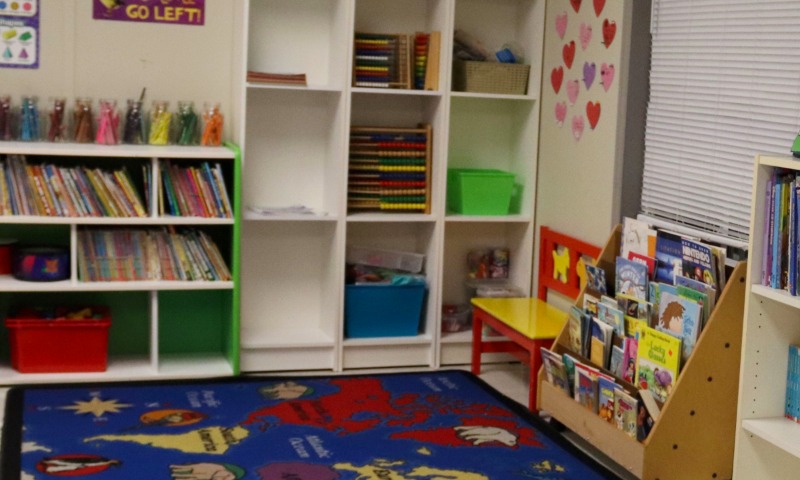
For students at J. Addison School, learning begins with a sense of safety and belonging. That feeling is especially important for international students, many of whom are adjusting a new country, language, and culture for the first time. From the day they arrive, staff and teachers step in with quiet consistency, helping students settle into routines and find their footing. The on-campus residence operates with 24/7 supervision, creating an environment where students feel supported, seen, and cared for.
Life in residence quickly becomes a rhythm. Shared meals. Study time. Laughter in common areas. Weekend trips introduce students to Canadian life beyond the school gates, while cultural celebrations and everyday interactions help friendships form naturally. Over time, confidence replaces uncertainty. Independence grows. “We want students to feel secure enough to take risks. When they feel supported, they begin to trust themselves,” shares Venditti. Those early adjustments often shape a resilience that stays with students long after graduation.
Cultural understanding is approached with intention. Canadian holidays such as Canada Day, Thanksgiving, and Reconciliation Day are not only celebrated, but explained in classrooms, giving students context and meaning behind the traditions. At the same time, the school recognizes international holidays represented by its diverse student body. The result is a shared culture rooted in respect and curiosity. Students learn to ask questions, listen carefully, and appreciate different perspectives. Civic values such as responsibility, kindness, and community involvement are reinforced through school-wide events, volunteering initiatives, and student-led activities that make those ideals tangible.
Beyond academics, students are encouraged to explore who they are through sports, arts, and leadership. Athletics such as basketball and volleyball teach discipline, teamwork, and perseverance. Wins are celebrated. Losses are processed. Both become lessons. Arts programs and clubs offer creative outlets where students can express themselves and discover new interests. Leadership opportunities through Student Council and Residence Council invite students to take responsibility, support their peers, and collaborate closely with staff. These roles help students find their voice and understand the impact they can have on others.
One program that stands out is the school’s Elite Basketball Program for both boys and girls. Competing at a high level across Canada and the United States, the program demands focus and balance. Student-athletes learn to manage rigorous training schedules alongside academic expectations. Many go on to earn full or partial athletic scholarships at universities and colleges in Canada and the U.S., a reflection of their growth both on and off the court. “Time management becomes real very quickly. Students learn that commitment in one area supports success in another,” Venditti explains.
Community involvement remains a constant thread. Students regularly volunteer at events such as the Terry Fox Run, local Christmas parades, and charity initiatives, some of which the school has supported for more than a decade. These experiences help students see themselves as active members of the community rather than observers. Giving back becomes part of daily life, reinforcing values of empathy, cooperation, and shared responsibility.
Preparing Global Citizens with Purpose and Perspective
In a country as diverse as Canada, multiculturalism is not an aspiration. It is daily life. At J. Addison School, that reality guides how students learn, interact, and grow. Walk through the hallways and you hear different accents, see friendships that cross cultures, and sense an openness that feels natural rather than curated. The school mirrors the nation around it, offering students an early education in empathy, respect, and cultural awareness.
For Venditti, this environment is one of the school’s greatest strengths. “We see both our school and Canada as powerful places for shaping future leaders. Students don’t just study here. They learn how to live and collaborate in diverse communities,” he says. That distinction matters. Students are not asked to simply adapt to a new country. They are guided to understand it, participate in it, and eventually carry those lessons forward.
Looking ahead, J. Addison School is focused on strengthening its role as a destination school for families around the world. The vision is steady and intentional. A safe and structured environment. Clear expectations. Consistent care. Within that framework, students are encouraged to explore, question, and grow into themselves. Over time, families often notice a shift. Students return home or move on to universities abroad with a broader worldview, greater confidence, and a quieter maturity. Curiosity replaces hesitation. Tolerance becomes instinct. Leadership begins to feel inclusive rather than positional.

The school’s future direction remains grounded in its core values. Academic excellence continues to set the standard. Character development remains central to daily life. Global citizenship is treated as a lived experience, not a theoretical goal. Discipline is balanced with care. Community stays close-knit. Students are known by name, challenged with purpose, and supported when it matters most. “We believe in discipline with care. When students feel supported, they rise to the expectations set for them,” Venditti highlights.
As more families look to Canada for a high-quality, values-driven education, J. Addison School stands firm in what it offers. Strong academic foundations. A sense of belonging. The confidence to lead with empathy in an interconnected world. It is an education designed not only for university readiness, but for life beyond it.
And as students step forward into that wider world, they carry with them something lasting. A clear sense of self. Respect for others. And the understanding that leadership, at its best, begins with how one chooses to engage with the world around them.
For More Info: https://jaddisonschool.com/