




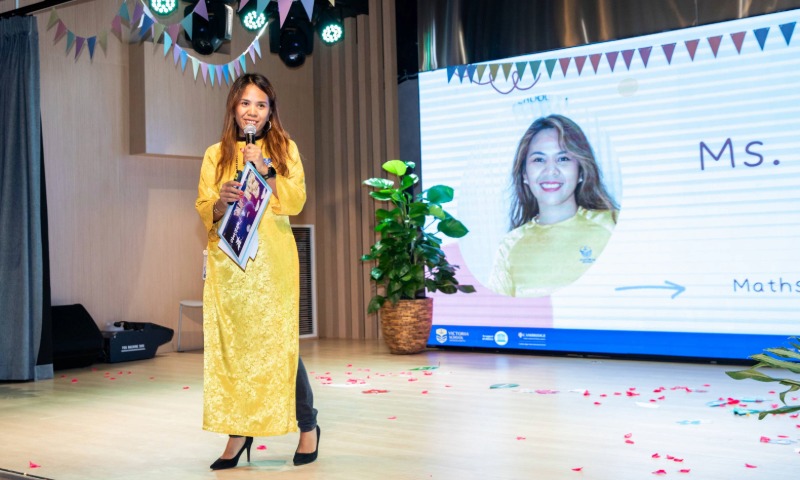
Cielo Superticioso is an EdTech Executive at Victoria School, where she leads digital transformation initiatives that enhance teaching, learning, and assessment. With a career rooted in educational innovation, she has championed projects that integrate technology into classrooms while preserving the school’s tradition of academic rigour. Her leadership has driven the adoption of blended learning models, adaptive assessment systems, and responsible applications of artificial intelligence, resulting in measurable improvements in student engagement and teacher effectiveness.
Guided by principles of empathy, inclusivity, and collaboration, Cielo works closely with educators to build confidence in new tools and foster a culture of continuous growth. She believes technology should serve pedagogy, not overshadow it, and is committed to ensuring equitable access for all learners. Beyond her professional role, she values lifelong learning and curiosity, encouraging students and young professionals to embrace change and pursue education as a journey of discovery. Her vision is to empower future-ready learners through innovation grounded in human connection.
In an exclusive conversation with K12 Digest, Cielo reflects on her transition from classroom teacher to an EdTech leader and the lessons she carried with her along the way. She also shares her perspective on the real challenges schools face today, including equity of access, screen time concerns, and supporting educators through change. With a strong belief that technology must serve pedagogy, she discusses the responsible use of artificial intelligence, the importance of protecting student data, and why empathy and collaboration remain central to digital transformation.
Can you share your journey into educational technology and what inspired you to focus on EdTech within the school environment?
I didn’t initially set out to work in educational technology, as I am a teacher by profession. My first step into the tech space came during a sabbatical from teaching in 2018, when I began freelancing and joined UpUp Technologies. There, I gained valuable skills and insights into how technology could be applied to solve real-world challenges, which sparked a deeper interest in the role of innovation in education.
I have always been fascinated by how learning can be transformed when students have the right tools. Early in my career, I saw technology bridging gaps for learners who might otherwise be left behind, and that experience truly inspired me. At Victoria School, the opportunity to align innovation with our mission of preparing students for the future was compelling. It has been about finding ways to make education more engaging, equitable, and ultimately more human.
At Victoria School, what have been some of the most impactful digital initiatives you have led or supported, and what measurable outcomes have they achieved?
One initiative I am particularly proud of is our blended learning model. By combining digital platforms with traditional teaching, we have seen students take greater ownership of their learning. Engagement levels have increased, and teachers have more flexibility to differentiate instruction.
Another major step forward for Victoria School was the introduction of a digital assessment system. It has streamlined processes for teachers and provided real-time insights into student progress. This has been a game-changer for both teaching and learning, enabling more responsive and informed decision-making.
School education is evolving rapidly. In your view, what are the biggest challenges schools face today when integrating technology effectively into classrooms?
Schools everywhere are grappling with how to integrate technology effectively. The challenges range from ensuring equity of access to supporting teachers who may feel overwhelmed by new tools. There is also the question of screen time and ensuring that technology enhances learning rather than distracts from it.
At Victoria School, we have addressed these challenges by investing in professional development and establishing clear frameworks for purposeful use. It is about ensuring that technology supports pedagogy, not the other way around.
How is artificial intelligence influencing teaching, learning, and assessment in your context, and how do you ensure its use remains responsible and student-centred?
Artificial intelligence is already reshaping education in powerful ways. We are using adaptive platforms that personalise learning for each student, which is incredibly exciting. At the same time, I remain focused on responsibility, ensuring AI systems are transparent, student data is protected, and teachers remain at the centre of the process.
Technology should support educators, not replace them. That principle guides every decision we make regarding AI integration.
As an EdTech Executive, how do you balance innovation with the traditions and academic rigour that institutions like Victoria School are known for?
Victoria School has a strong reputation for academic rigour, and I see innovation as a way to amplify that tradition rather than replace it. Digital tools can open new avenues for collaboration and creativity, but we continue to emphasise critical thinking, discipline, and the teacher–student relationship.
Innovation and tradition do not have to be in conflict. When implemented thoughtfully, they can complement each other and strengthen the overall learning experience.

What leadership principles guide your work when driving digital transformation among educators who may have varying levels of comfort with technology?
My leadership style is rooted in empathy and inclusivity. Not every educator feels comfortable with technology, so I make it a priority to meet people where they are. Building trust, offering structured support, and celebrating small wins are essential. Digital transformation is not about imposing change. It is about co-creating a shared vision with teachers and students and ensuring that everyone feels part of the journey.
Outside of your professional role, what interests or values shape your perspective on education, and what advice would you offer to students and young professionals aspiring to work in the EdTech space?
Outside of my professional role, I am a lifelong learner. I value curiosity and the courage to ask questions, even when the answers are not obvious. That perspective shapes how I see education. It should empower students to take risks, think critically, and embrace change.
For young professionals entering the EdTech space, my advice is simple: stay grounded in pedagogy. Technology is powerful, but it only truly matters when it serves the learner.