



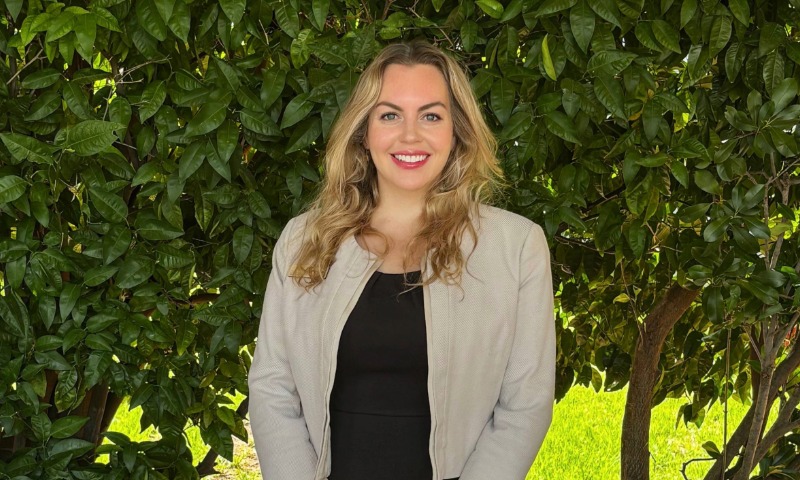
Jessica Walker is an Australian educational leader and former finance professional with over two decades of experience spanning investment markets, strategic analysis and secondary education. She currently serves as Deputy Principal at Central West Leadership Academy, where she leads curriculum innovation and student wellbeing initiatives. Jessica holds qualifications in Education, Economics and is passionate about empowering regional students with global opportunities. Her work focuses on sustainable school improvement, financial literacy and future-focused learning. A strong advocate for women in leadership, she brings analytical rigour and relational leadership to every role she undertakes.
Recently, in an exclusive interview with K12 Digest, Jessica shared insights into her passion for emerging markets and sectors, sparked by her early career in finance and investment banking. Jessica believes schools should play a key role in addressing global issues like climate change and sustainability, equipping students with knowledge and agency. She also shared her personal hobbies and interests, future plans, words of wisdom, and much more. The following excerpts are taken from the interview.
Hi Jessica. With over two decades of experience in finance and investment, what sparked your passion for emerging markets and sectors, and how did you develop your expertise in this area?
My early career in finance and investment banking exposed me to how interconnected global markets truly are. I became fascinated by emerging sectors because they sit at the intersection of risk, innovation and opportunity. Whether analysing infrastructure, technology, or resource markets, I was drawn to understanding long-term structural change rather than short-term market noise. Developing expertise came from doing the hard work, deep analysis, understanding macroeconomic drivers, and constantly reading beyond my immediate role. Over time, I learned that emerging markets reward those who are curious, disciplined and willing to think independently. That mindset has stayed with me and now shapes how I approach educational leadership, always looking ahead to what’s next.
What do you love the most about your current role?
What I love most is the ability to influence culture and direction. As a Deputy Principal, I am in a position where strategic thinking meets daily impact. I can shape curriculum innovation, strengthen wellbeing frameworks, and support staff to grow professionally, all while keeping students at the centre. There is something incredibly meaningful about working in a regional community and knowing that the decisions we make today genuinely expand opportunities for young people tomorrow. It is both a privilege and a responsibility.
What role should schools play in addressing global issues like climate change and sustainability?
Schools have a moral obligation to equip students with both knowledge and agency. Climate change and sustainability are not abstract global issues; they are lived realities that will shape our students’ futures. Schools should embed sustainability across curriculum areas, encourage critical thinking, and foster problem-solving skills. More importantly, we must cultivate hope and action. Students should graduate not feeling overwhelmed, but empowered to innovate, lead and advocate for responsible change in their communities and industries.
How do you think schools can better support student mental health and wellbeing?
Mental health cannot be an add-on initiative; it must be embedded into school culture. This means creating psychologically safe classrooms, equipping teachers with trauma-informed practices, and ensuring consistent systems of pastoral care. It also requires listening to students. Young people need connection, purpose and belonging. Schools that prioritise relationship-based approaches, early intervention strategies and strong family partnerships see better outcomes. Wellbeing and academic achievement are not competing priorities, they are deeply interconnected.
What’s a book or resource that has had a significant impact on your thinking recently?
James Clear’s Atomic Habits has had a powerful impact on me. Its emphasis on small, consistent actions over dramatic change aligns strongly with both leadership and personal growth. In education, we often aim for large reforms, yet sustainable improvement comes from disciplined, incremental progress. The idea that identity drives behaviour has also influenced how I lead, culture shifts when people see themselves differently, not just when policies change.
If you could travel anywhere in the world, where would you go and why?
I would love to travel through Scandinavia, particularly Finland and Norway. I am deeply interested in how their education systems balance academic excellence with wellbeing and equity. Experiencing those cultures firsthand, seeing how community, design and sustainability are woven into daily life would be both professionally inspiring and personally enriching.
What’s one thing you’re passionate about outside of education?
I am passionate about financial literacy and wealth building, particularly for women. Having worked in finance and now leading in education, I see how empowering financial knowledge can transform generational outcomes. I enjoy property investment and long-term financial strategy, not simply for wealth creation but for the freedom and security it provides families.
Where do you see yourself in the next 5 years?
In five years, I see myself leading at a system or whole-school level where I can influence strategy across curriculum, wellbeing and innovation. I am particularly interested in integrating emerging technologies responsibly within schools and strengthening pathways for regional students. My focus will remain on building sustainable systems that outlast individuals.
Looking back on your career, what advice would you give to someone just starting out in school leadership?
Develop depth before chasing titles. Credibility in leadership comes from competence and integrity. Invest in understanding teaching and learning, build strong relationships, and learn to make decisions under pressure. Leadership is not about authority; it is about influence and service. Most importantly, protect your energy. This is long-term work, and sustainable leadership requires resilience, reflection and clarity of purpose.