



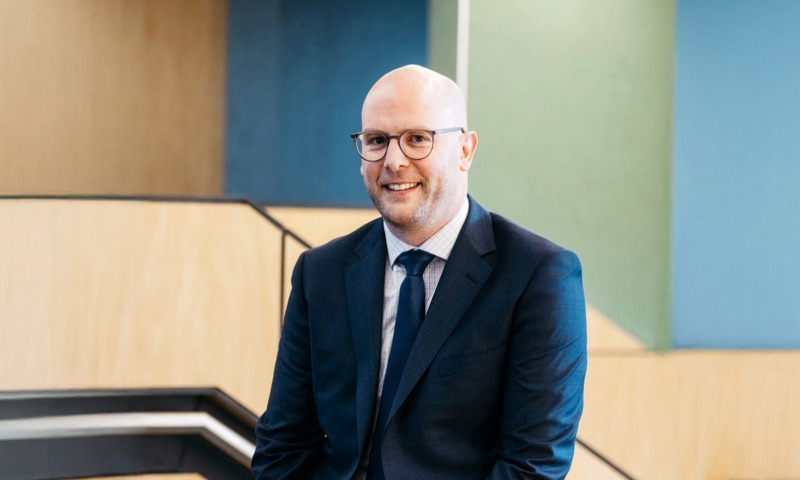
Dr Matt Pitman is an experienced educational leader and author passionate about researching connections across school communities. Matt’s experience is varied, from the leadership of curriculum teams and programs to student wellbeing, student improvement and community engagement portfolios. He has led Positive Education and student support programs and has a passion for working with students, parents, and staff to develop new understandings of the needs of young people in the 21st century. He is currently Head of School (Senior) at Catholic Regional College Caroline Springs, Australia.
In an exclusive conversation with K12 Digest, Dr Pitman talks about the central role of connection in shaping meaningful educational outcomes, the evolving challenges of secondary education, and the need for schools to remain grounded in purpose amid constant change. He shares how strong relationships influence student engagement, staff wellbeing, and long-term school improvement, while also reflecting on how values-based education and academic excellence go hand in hand. Dr Pitman also offers thoughtful perspectives on the growing impact of AI in classrooms, emphasizing the importance of preserving the human side of learning.
Your career in education has evolved through various roles. What key experiences have shaped your leadership approach today?
My leadership has been shaped less by any single role and more by what I’ve consistently seen across them. Early on, I was focused on teaching well and improving outcomes, which of course still matters. But over time, what became impossible to ignore was how much those outcomes were dependent on the quality of relationships around them. Working across different contexts, particularly in wellbeing and leadership, I’ve seen what happens when people feel disconnected. Students disengage, staff burn out, and even the best-designed initiatives struggle to gain traction. On the other hand, I’ve also seen schools where there is a strong sense of connection, and the difference is significant. People commit more, they persist longer, and they experience school as something they are part of, not just moving through. My doctoral work allowed me to step back and examine that more closely. It confirmed something I had felt for a long time that connection, beyond just knowing a name or hobbies, is foundational. That has shaped how I lead now and as a result, I’m far more intentional about culture, about relationships, and about the conditions we create for people to do their best work.
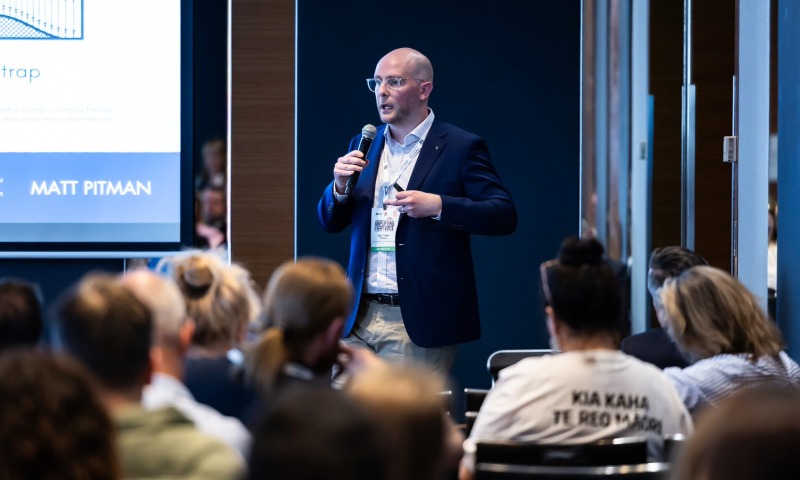
At Catholic Regional College Caroline Springs, how do you balance academic excellence with the development of values and character in students?
At Catholic Regional College Caroline Springs, we don’t approach this as a balance in the sense of trade-offs as in reality, academic excellence and character formation are deeply connected. The Catholic identity of the school gives the community a clear set of values, but the real work is in how those values are experienced day to day. For us, that means creating an environment where students feel known and supported but also challenged to grow. When students feel that sense of belonging, they are far more likely to engage in their learning in a meaningful way. We place a strong emphasis on high expectations, but we’re working to ensure those expectations sit alongside a commitment to relationships. A student who feels connected to their teachers and their peers is more willing to take risks in their learning, to persist when things are difficult, and to take responsibility for their own growth. Ultimately, we want students to leave not only with strong academic outcomes but also have a really clear sense of who they are and how they can contribute to the world around them.
School education is undergoing rapid change. What do you see as the most pressing challenges facing secondary education today?
It won’t surprise anyone that knows me, but I believe one of the most significant and often overlooked challenges in secondary education is disconnection. While there are many competing pressures in schools such as wellbeing, curriculum demands, accountability, and now rapid technological change, underneath a lot of these is a growing sense of fragmentation. Students can feel disconnected from their learning, staff can feel disconnected from the systems they are working within, and schools can at times feel disconnected from the communities they serve. When that happens, it becomes very difficult to sustain improvement, no matter how strong the strategy might be. I think this is where education more widely sits at the moment. The challenge is not simply responding to change but doing so in a way that remains coherent and grounded. Schools need a clear sense of purpose and a shared understanding of what they value before they start on something new. Without that, it is easy to move from one initiative to the next without building anything that lasts. Staff are all too familiar with this lack of continuation, so if we can strengthen connection at all levels of the school, we are in a much better position to navigate the complexity that defines education right now and stick with change when it is what will serve the whole community best.
How are AI and emerging technologies influencing teaching, learning, and administration in your school?
AI is already influencing how we think about teaching and learning, whether we are ready for it or not. AI tools have definitely challenged some of the assumptions that have traditionally underpinned assessment and knowledge acquisition. In my context, we are trying to approach this with both openness and a level of professional responsibility. There is genuine potential here but we must accept that this is new work for all of us. It would be great if we could get ahead of the students, but we are all experiencing these innovations at the same time. AI has the potential to support more personalised learning, help reduce some of the administrative load on teachers, and provide new ways for students to engage with content but at the same time, it raises important questions that I am not sure we have the answers for yet. Like any new tool we need to think carefully about academic integrity, about how we continue to develop critical thinking, and about how students learn to use these tools ethically and effectively. What I think we need to be absolutely clear on is that technology should enhance the human aspects of education, not replace them. The quality of the relationships in a classroom still matters more than the sophistication of the tools we use. If anything, the rise of AI makes that even more important.
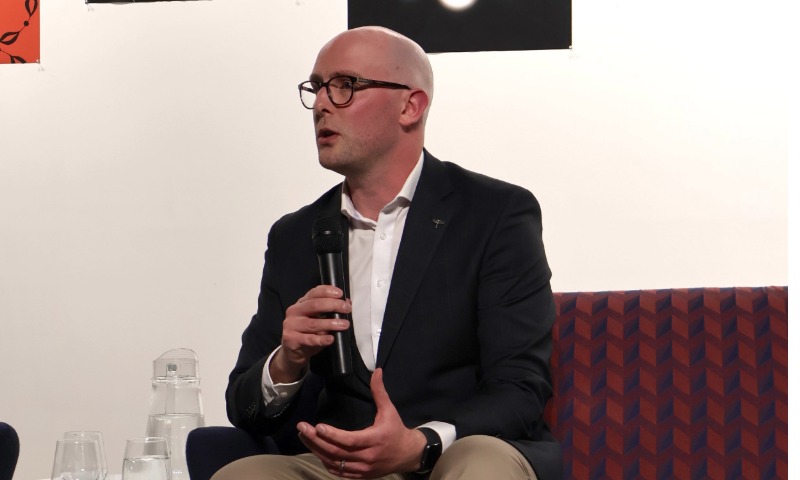
Can you share a key initiative or achievement at the college that you believe has made a meaningful impact on students or staff?
One of the most meaningful areas of work has been the deliberate focus on strengthening connection across the school. Rather than introducing a single program, we’ve worked to embed relational practice into the way the school operates. A practical example of this has been refining our consistency in lesson structure to create space for connection and relational learning. It is essential that every student is known well by at least one adult in the school, and that this isn’t left to chance. We’re supporting staff to build more consistent relational and restorative practices in their classrooms, so that connection is not dependent on individual style but becomes part of our shared approach. Over time, we hope that this shifts the experience of school for both students and staff. We’ve seen stronger engagement from students and a greater sense of collective responsibility among staff so far which is fantastic. It hasn’t been a quick fix, but it has been meaningful because it has changed the underlying culture rather than just adding another initiative. Work in progress for sure.
Outside of your professional role, what personal interests or values continue to influence the way you lead and engage with your community?
I’ve always been interested in how people make meaning of the world around them, and that certainly extends beyond education. Interests like design thinking and storytelling have influenced how I approach both leadership and problem-solving. They encourage you to see things from different perspectives and to be more intentional in how you design experiences for others. I also value reflection quite highly. Taking the time to step back and think about what is actually happening, rather than just responding to what is urgent, is important in leadership. It creates space for better decisions. On a personal level, I try to stay grounded in the idea that leadership is ultimately about people. It’s easy to become focused on outcomes and structures, but what tends to stay with people is how they experienced a place and how they were treated within it. That’s something I’m constantly mindful of.
What advice would you offer to students and young professionals who are preparing to step into an increasingly complex and technology-driven world?
The pace of change can make it feel like you need to constantly chase the next skill or tool, but I think it’s more important to stay grounded in the qualities that don’t change as quickly. Curiosity, empathy, and the ability to work well with others will remain important regardless of how technology evolves. It’s also important to become comfortable with uncertainty. There won’t always be clear answers, and the ability to keep learning, to adapt, and to respond thoughtfully in unfamiliar situations is critical. Finally, I would encourage young people to invest in connection. Not just networking in a superficial sense but building genuine relationships and having a clear sense of what matters to you. In a complex world, those things provide a level of stability and direction that is hard to replicate elsewhere.