



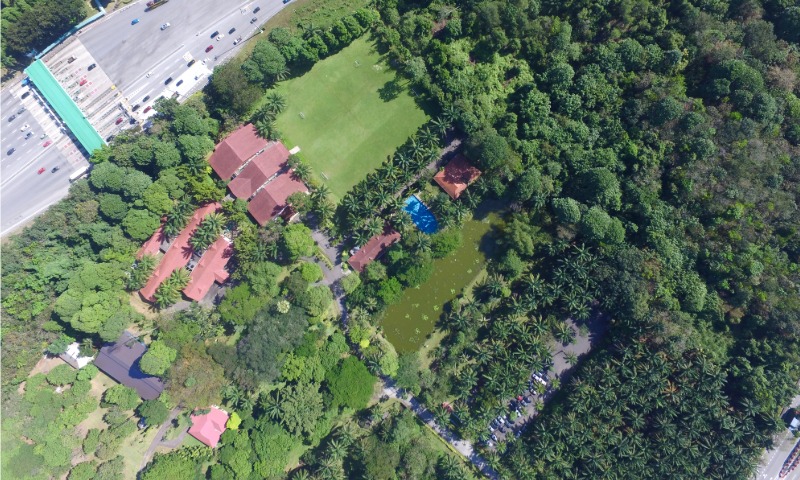
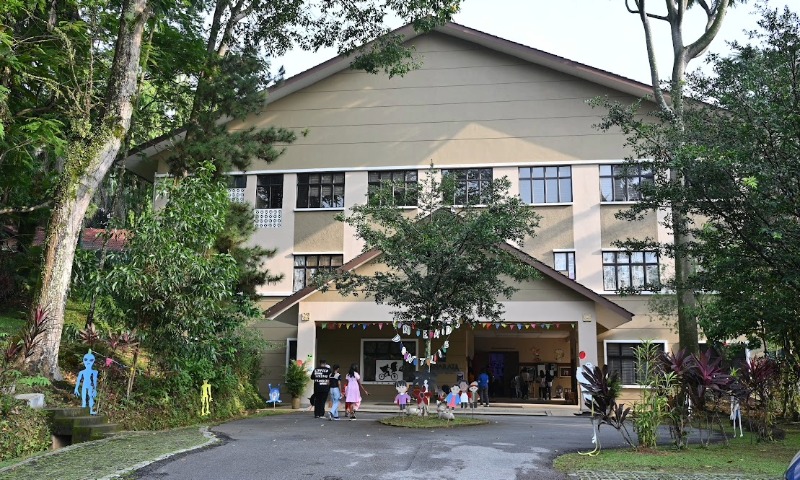
Nestled amidst lush greenery on the southern edge of Malaysia’s Klang Valley, Tanarata International Schools offers a learning environment where nature and education exist in harmony. Since opening its doors in September 2007, the school has remained guided by a clear and purposeful vision: to create a place where children are not only educated but also inspired to grow, explore, and discover their potential.
For Founder and Principal Barnali Guha, the goal was never limited to academic achievement alone. “We wanted to build a learning community that balanced academic excellence with character and skills development, creativity, and a love for lifelong learning,” she explains. That vision continues to shape every aspect of the school today.
Set within an eco-sensitive campus near Kajang, Tanarata provides students with space to learn beyond the confines of traditional classrooms. The natural surroundings serve as a daily reminder of curiosity, reflection, and connection with the wider world. Here, learning is designed to nurture intellectual growth while supporting students’ social, emotional, and physical development.
Tanarata thrives on a deep sense of community. By bringing together students, families, and educators from diverse cultural, racial, and national backgrounds, the school creates an environment where differences are respected and individuality is celebrated. The atmosphere is warm and personal, built on meaningful relationships and a genuine commitment to every child’s success.
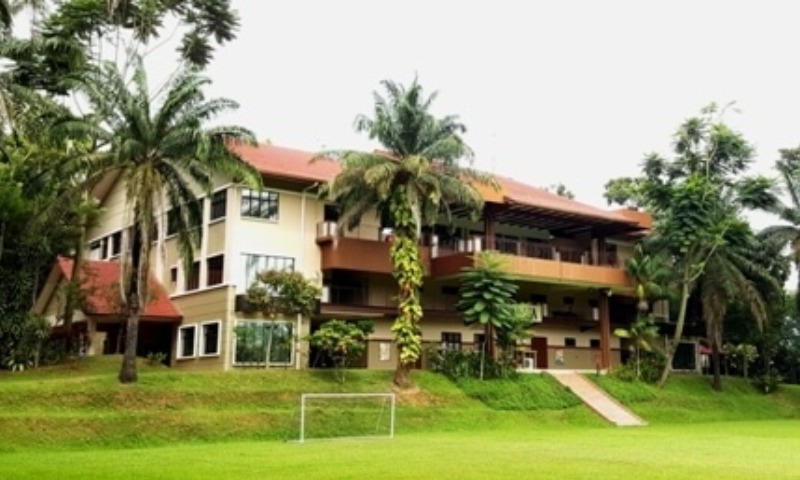
“Tanarata is best described as a close-knit learning community where relationships matter,” says Guha. That philosophy is visible across the campus. Teachers know their students well, classrooms encourage participation and collaboration, and families play an active role in the educational journey. Small class sizes allow educators to provide individual attention, helping students build confidence while discovering their unique strengths and interests.
The result is a school culture that feels both nurturing and ambitious. Students are motivated to challenge themselves, embrace new opportunities, and pursue excellence with confidence. At the same time, they know they are supported by a community that values kindness, respect, and personal growth as much as academic success.
As Tanarata continues to evolve, its founding vision remains firmly intact: to nurture well-rounded young people who are prepared not only for future careers, but also for meaningful lives and responsible citizenship in an increasingly interconnected world.
Growing with the Times, Staying True to the Mission
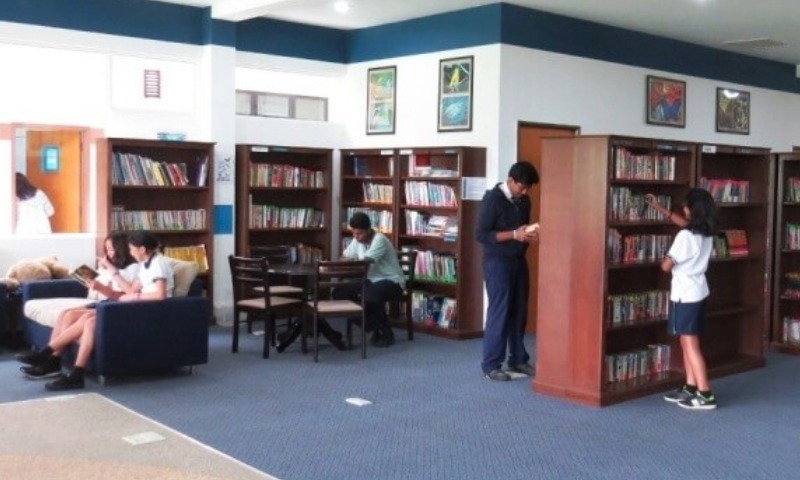
Over nearly two decades, Tanarata has grown alongside a rapidly changing educational landscape. While the school remains firmly rooted in the Cambridge curriculum, its approach to learning has continually evolved to meet the needs of a new generation of students and the demands of an increasingly interconnected world.
For Guha, adaptation has always been part of the school’s DNA. “Education is constantly evolving, and we have evolved alongside it,” she says. Guided by that mindset, Tanarata has steadily expanded its educational framework, integrating experiential learning, project-based learning, entrepreneurship, leadership development, technology, and global citizenship into everyday learning experiences.
The result is a learning environment where academic knowledge is strengthened through real-world application. A science lesson may extend into a hands-on investigation. A classroom discussion may spark a community project. The curriculum prompts students to ask questions, explore possibilities, and connect their learning to the world around them.
At the same time, the school has remained deeply committed to the values that inspired its creation. Strong relationships, individual attention, and a genuine sense of community continue to define life on campus. Communication with families has become more collaborative, while student wellbeing programmes have grown in both scope and importance, ensuring that young people feel supported as they navigate the challenges and opportunities of modern life.
The belief that education should nurture the whole child forms the bedrock of Tanarata’s philosophy. Academic achievement is important, but it is only one part of a much broader journey. “Each student is an individual with different personalities and talents that need to be developed to their best potential,” Guha explains.
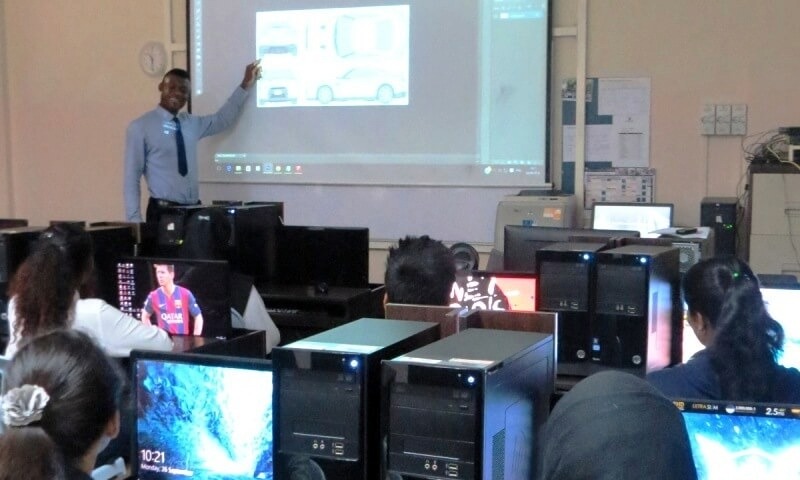
This belief is clearly visible across classrooms, sports fields, performance spaces, and leadership activities. The school inspires students to strive for excellence while cultivating qualities that go far beyond examination results. Curiosity, resilience, empathy, communication, and self-confidence are cultivated through experiences that challenge students to think independently and engage meaningfully with others.
Teachers play a vital role in this process. Rather than simply delivering content, they act as mentors and guides, helping students become active participants in their own learning. Through thoughtful questioning, collaborative projects, and practical applications, students learn not only to acquire knowledge but also to use it with purpose. As Guha puts it, the goal is for students “to be doers as well as communicators.”
Small class sizes further strengthen this approach. Teachers know their students as individuals, understanding their strengths, challenges, and learning styles. This enables them to provide personalised guidance, meaningful feedback, and opportunities for each learner to grow at their own pace.
There is a quiet confidence that develops when students feel both challenged and supported. At Tanarata, that balance is carefully nurtured. Here, students feel safe to stretch beyond their comfort zones, knowing they are backed by educators who are genuinely invested in their wellbeing and success. It is an approach that helps young people build not only academic competence but also the resilience and self-belief needed to thrive far beyond the classroom.
Nurturing Thinkers, Creators, and Changemakers
Walk through a classroom at Tanarata and one thing quickly becomes clear: learning is an active process. Students are questioning, debating, creating, investigating, and collaborating. Ideas are explored from different angles, and curiosity is welcomed as an essential part of the learning journey.
This culture embodies a core belief that innovation, creativity, and critical thinking are no longer optional skills. They are essential qualities for success in a world defined by constant change and new possibilities. “The future will belong to individuals who can create, solve problems, adapt to change, and think independently,” says Guha. Preparing students for that future requires more than strong academic foundations. It calls for learning experiences that encourage exploration, initiative, and intellectual courage.
Across the school, students are challenged to move beyond memorisation and engage in deeper thinking. Through project-based learning, entrepreneurship initiatives, debates, scientific investigations, community engagement projects, and interdisciplinary learning experiences, they learn how to analyse information, evaluate perspectives, and develop solutions to real-world challenges.
The process is as important as the outcome. Students learn to collaborate with peers, communicate ideas effectively, and navigate uncertainty with confidence. They are encouraged to question assumptions, test their thinking, and view challenges as opportunities for growth.
Yet for Guha, education ultimately extends beyond skills and qualifications. The school’s broader mission is to help students develop into individuals of character who understand their responsibilities to others and to the communities they serve. “We hope our students leave Tanarata with integrity, compassion, resilience, curiosity, and a strong sense of purpose,” she shares. Those qualities are woven into daily life at the school, shaping interactions in classrooms, leadership opportunities, service initiatives, and co-curricular activities.
The vision for every graduate is both ambitious and deeply human. Academic success may open doors, but the ability to lead with empathy, act with integrity, and continue learning throughout life will determine the impact they make on the world around them. “We want our graduates to be confident enough to pursue their ambitions, humble enough to continue learning, and compassionate enough to contribute meaningfully to their communities,” Guha adds.
Learning Beyond the Classroom Walls
At Tanarata, some of the most meaningful lessons happen outside traditional classroom settings. A student leading a community initiative, a team collaborating on a business idea, or a young performer stepping onto a stage for the first time may be developing skills that last far beyond their school years.
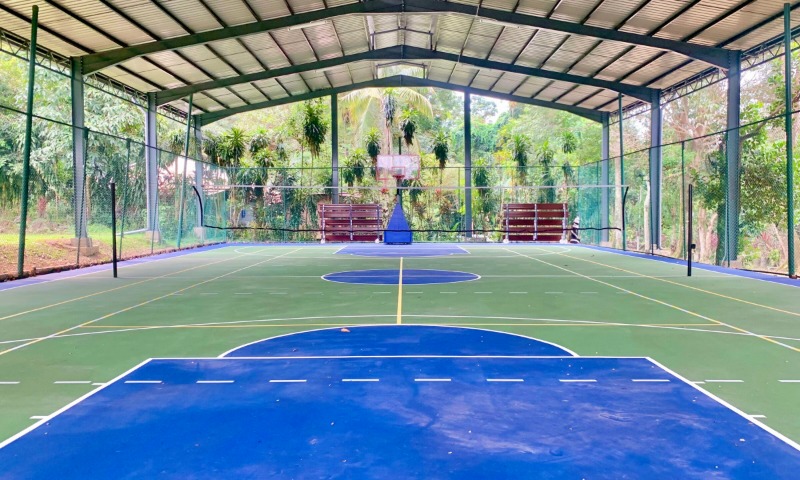
Life at Tanarata is intentionally designed to be rich with experiences. Throughout the year, students immerse themselves in sports, performing arts, leadership programmes, clubs, competitions, cultural celebrations, outdoor activities, and community service projects. These opportunities allow them to discover new passions, build lasting friendships, and develop the confidence to contribute as part of a team.
For Guha, these experiences are an essential part of a well-rounded education. “Our aim is for students to look back on their school years not only as a period of academic growth and skills development, but also as a time filled with meaningful experiences, personal discovery, and lasting memories,” she says.
That philosophy comes to life through programmes that connect learning with authentic challenges and real-world contexts. Project-based learning initiatives encourage students to draw knowledge from multiple disciplines as they work together to solve problems, develop innovative ideas, and create practical solutions. The focus extends beyond understanding concepts. Students are encouraged to apply what they learn, collaborate effectively, and take ownership of their work.
“These initiatives encourage students to tackle authentic problems, collaborate across disciplines, and create innovative prototype products and services,” Guha explains. The experience helps transform learners into active contributors who understand how knowledge can be used to make a meaningful impact.
Entrepreneurship programmes provide another avenue for growth. Student-run markets and business ventures give learners firsthand exposure to planning, communication, leadership, and financial decision-making. The excitement is often palpable as students pitch ideas, engage with customers, and see their efforts translate into tangible results.
The same spirit of exploration extends to Model United Nations conferences, environmental sustainability projects, community outreach initiatives, field trips, and outdoor learning experiences. Whether debating global issues, working on conservation efforts, or engaging with local communities, students are encouraged to view the world through a broader lens.
Many graduates look back on these moments as defining experiences. They are the opportunities that spark confidence, reveal hidden strengths, and inspire new ambitions. They remind students that education is not confined to textbooks or examinations. It is a journey of discovery that unfolds through experience, connection, and action.
Building a Community Where Every Voice Matters
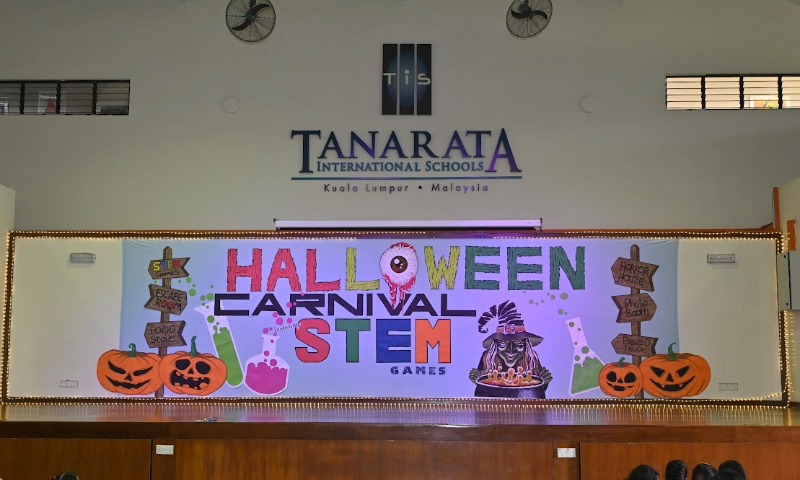
Walk through the corridors of Tanarata and there is an unmistakable sense of connection. Students greet teachers by name. Conversations continue beyond the classroom. Younger learners look up to older students, while older students embrace opportunities to mentor and lead. This culture is not accidental. It has been carefully nurtured through a shared belief that every member of the community has a role to play in shaping the school experience.
Students take ownership of their learning and actively contribute to school life. Through leadership positions, clubs, community projects, cultural events, and everyday interactions, they help create the collaborative and respectful environment that defines Tanarata.
Guha believes that a thriving school culture begins with trust and participation. “We encourage students to take ownership of their learning and to contribute their ideas, talents, and perspectives,” she says. When students feel heard, valued, and empowered, they become active partners in building a stronger community.
This sense of agency helps cultivate confidence and responsibility. Students learn that leadership is not limited to formal titles. It can be expressed through service, initiative, teamwork, and the willingness to support others.
The same spirit of partnership extends beyond the student body. Families are integral to school life, creating relationships that strengthen the educational experience for everyone involved.
At Tanarata, parents are viewed as partners rather than spectators. Open communication, transparency, and mutual trust form the foundation of that relationship. School events, information sessions, celebrations, newsletters, and community gatherings create regular opportunities for meaningful engagement. “The strong family atmosphere at Tanarata means that parents are not simply observers of their children’s education; they are active participants in the life of the school,” Guha shares.
This collaborative approach creates a support system that benefits students at every stage of their journey. When educators and families work together, students gain the confidence to take risks, embrace challenges, and pursue their goals with greater assurance.
The result is a community where relationships matter, voices are valued, and success is celebrated collectively. It is a culture that continues to distinguish Tanarata and provide a strong foundation for future growth.
Preparing Learners for an Unwritten Future
The future promises remarkable opportunities, but it also presents unprecedented complexity. New technologies, evolving industries, and global challenges are reshaping the way people learn, work, and connect. Preparing students for that future requires more than academic knowledge alone. At Tanarata, the focus is on helping young people develop the skills, mindsets, and character needed to navigate uncertainty with confidence and purpose.
According to Guha, the qualities that will matter most are increasingly human in nature. Adaptability, creativity, collaboration, critical thinking, and emotional intelligence are becoming essential for success across every field. Students must learn how to analyse information, solve complex problems, communicate effectively, and work alongside people from diverse backgrounds.
At the same time, qualities such as integrity, empathy, resilience, and ethical decision-making remain equally important. While technology will continue to transform society, these human values will continue to shape how individuals lead, contribute, and make a positive difference in the world around them.
This perspective informs Tanarata’s long-term vision. The school is committed to continuously enhancing learning environments, expanding opportunities for experiential and interdisciplinary learning, and strengthening international connections that prepare students for a globally connected future.
As educational practices evolve, Tanarata remains focused on preserving the qualities that have defined the school since its founding: meaningful relationships, individual attention, and a deep commitment to student growth.
Looking ahead, Guha’s aspirations are both ambitious and deeply rooted in the school’s founding purpose. The goal is to continue strengthening Tanarata’s reputation as a school where academic excellence is matched by a genuinely caring community culture, where innovation is balanced with character development, and where every student is encouraged to discover their unique potential.
While the world around them continues to change, the school’s mission remains remarkably consistent. “We want to ensure that every student is engaged, prepared, and inspired to reach their full potential,” Guha concludes.
For More Info: https://www.tanarata.net/
Barnali Guha, Founder and Principal of Tanarata International Schools

Barnali Guha is the Founder and Principal of Tanarata International Schools, a role she has held since establishing the school in 2007. With a deep passion for education and student development, she has dedicated her career to creating learning environments that combine academic excellence with strong values, character formation, and community engagement.
Under her leadership, Tanarata International Schools has grown into a respected international school known for its nurturing atmosphere, multicultural community, and commitment to developing well-rounded individuals. She believes that education should extend beyond examination success to include creativity, critical thinking, leadership, resilience, and social responsibility.
Throughout her career, Guha has championed a student-centred approach to learning, emphasising the importance of meaningful relationships between students, teachers, and families. She has also been a strong advocate for experiential learning, project-based education, entrepreneurship, and holistic development.
Her vision for Tanarata continues to be guided by the school’s philosophy of “Prepared, Engaged, Inspired,” — ensuring that students are equipped not only for academic achievement but also for success and fulfilment in an ever-changing world.