



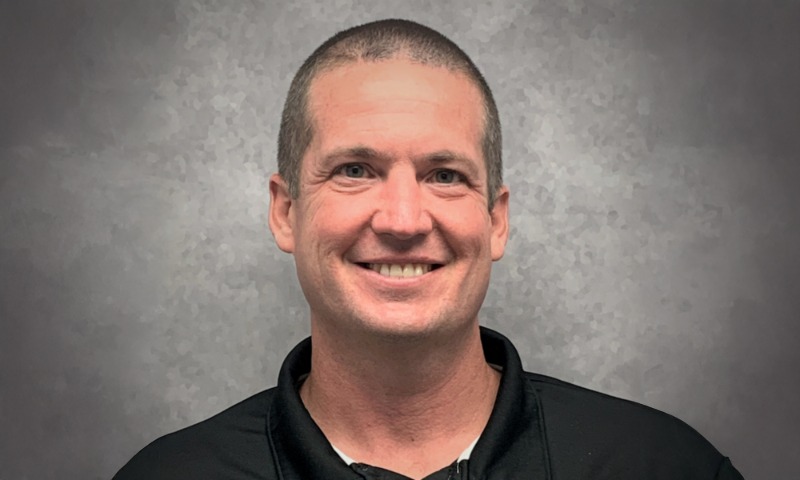
Dr. George Philhower is superintendent of Eastern Hancock Schools, a rural district east of Indianapolis, where he has served since 2021. He began his career as a special education teacher and spent 13 years as an administrator at Western Wayne Schools, including two years as superintendent, before joining Eastern Hancock. His leadership centers on creating schools where students and staff feel connected, supported, and excited to learn. At Eastern Hancock, George champions an approach to education grounded in joy, meaningful learning, and strong relationships. He works with educators, families, and community partners to connect classroom experiences with students’ interests and future goals. His efforts include expanding career-connected learning and building partnerships that give students opportunities to explore careers and develop practical skills. He also serves on Ascend Indiana’s board of directors, helping strengthen connections between education and employers.
There is a surprisingly simple way to make schools better: listen to the kids.
I don’t mean just sending out an annual survey, asking the student council to choose a homecoming theme, or listening only when something has gone wrong. I mean actually sitting down with kids and asking about their everyday experiences. What is working? What isn’t? When do you feel like you are really learning? When are you bored? Where do you feel successful? Where do you feel like you don’t belong? What is something the adults in this school don’t understand?
The harder part is listening to their answers without immediately explaining why things are the way they are.
That practice has increasingly changed the way I think about leading a school district. Adults spend an enormous amount of time trying to figure out what students need. We analyze test scores. We study attendance. We review discipline data. We hold leadership meetings. We develop strategic plans. We visit classrooms. All of those things are important. But sometimes we overlook the people who have more firsthand experience with our schools than anyone else: the kids sitting in them every day.
At Eastern Hancock Schools, we have been trying to become more intentional about changing that. One way is through student advisory. Once a month, our principal brings together a group of students with a range of perspectives for an hour-long conversation. We talk about their experiences at school and ask them questions traditionally reserved for staff about our programs, ideas, policies, and the changes we’re considering.
As the adults in the room, the most important thing we can do is shut up and listen.
Kids notice things we don’t. They know which rules make sense and which ones feel arbitrary. They know which classes make them think and which ones make them comply. They know when an adult genuinely cares about them. They know where students feel disconnected. They know which traditions need to be remembered. They know which new ideas sound exciting to adults but don’t work nearly as well from a student’s point of view.
When Indiana required schools to restrict cell phone use, for instance, we asked our student advisory group how the new rules would affect them. While the policy wasn’t up for debate, hearing students’ perspectives helped us implement a smoother transition district-wide. That’s the value of the student voice. Even when a decision has already been made, students can help us understand what it will be like to live with it every day.
There is growing evidence that listening matters. A study of student voice and engagement across 67 Philadelphia high schools found that student voice, teacher care, belonging, and feelings of competence were important parts of the relationship between students and their engagement with school. The research reinforces what we often see firsthand at Eastern Hancock: students are more likely to invest in a place when they believe they matter there.
In addition, the Centers for Disease Control and Prevention identifies student autonomy and empowerment as practices that can strengthen students’ connection to school. Students benefit from opportunities to help make decisions, have a say in how things work, and know their teachers are open to their ideas. A systematic review published in the Journal of Educational Change similarly found that involving students in decisions about teaching and learning can contribute to personal development, school connectedness and changes in how adults approach teaching and learning.
That shouldn’t be particularly surprising. Think about our own workplaces. Most adults want some agency. We want our ideas to matter. We want our leaders to ask what we think before making decisions that dramatically affect our work. Yet schools have historically been comfortable designing nearly every aspect of a student’s day without asking students very much about it.
I don’t think that makes us uncaring. I think it is simply a habit built into the way schools have operated for generations. And habits can change.
We still have a long way to go at Eastern Hancock. There are undoubtedly students who don’t believe they have much voice in their school experience. That feedback is only reserved for a subset of kids who are already engaged, successful, and comfortable talking to adults. Our next step has to be getting better at hearing from the kids who aren’t raising their hands and giving them multiple ways to be heard.
And we have to close the loop. Asking kids what they think and then ignoring what they tell us isn’t student voice. Kids don’t need to get their way every time. But they deserve to know that someone listened to them, considered what they said and, when possible, what happened as a result.
I have become convinced that some of the best school improvement work doesn’t begin with a new program, curriculum or strategic initiative. It begins with a chair. Put it across from a kid. Sit down. Ask a good question. And listen.
The kids may not have all the answers. But they know things about our schools that the rest of us never will unless we ask.