



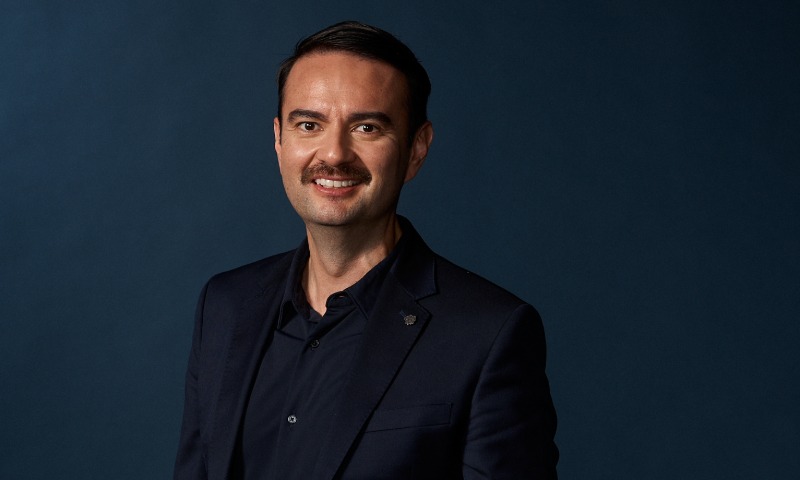
Jeremy Otto is a relational leader who believes community is built one meaningful moment at a time. An experienced educator and senior leader, he has held roles including Deputy Principal, Director of Teaching and Learning and international IB consultant, advancing student-centred approaches in schools across the world. Jeremy is currently Director of Community Engagement and Advancement at Westbourne Grammar School, a Graduate of the Australian Institute of Company Directors, and an MBA candidate at Melbourne Business School. Guided by kindness, authenticity and trust, he is committed to creating cultures where people feel connected, supported and proud to belong together.
Schools are increasingly being judged not by the sophistication of their marketing, but by the quality of the relationships they build. In an era shaped by AI, shifting parent expectations and growing competition, authentic community connection has become one of a school’s most valuable assets. For Jeremy Otto, that connection is not created through campaigns alone, but through hundreds of everyday interactions that shape whether people feel welcomed, known and valued. In an exclusive interview with K12 Digest, Jeremy reflected on the future of school community engagement, the ethical role of AI in admissions, and why trust will define the strongest school brands in the years ahead.
Hi Jeremy. Your portfolio spans Admissions, Marketing, Communications, Events, Scholarships, Archives, and Philanthropy. What moment showed you that community engagement is the true engine of a school’s future?
For me, it was the realisation that a family’s connection to a school begins well before the first day of class. It might begin on a school tour, in a conversation with an admissions colleague, through the warmth of a welcome at an event, or even through the way an alumnus talks about their time at the school years after leaving.
Those moments can feel small at the time, but together they shape trust. They help families understand not only what a school offers, but what it feels like to belong there. That is where community engagement becomes much more than a set of functions or a department. It becomes the thread that connects enrolment, reputation, philanthropy, alumni, storytelling and culture.
A school’s future is not built by one campaign or one moment of communication. It is built through relationships that are tended to over time. When people feel known, welcomed and part of something meaningful, they are far more likely to contribute to the life of the school and advocate for its future.
Five years from now, what will separate schools that built true community from those that just ran campaigns?
The difference will be trust. A campaign can create attention, but community creates commitment. Schools that have only invested in campaigns may be able to point to strong visuals, polished messages and moments of visibility. Schools that have built true community will have something deeper, relationships that continue well beyond an enrolment decision or a fundraising appeal.
Families will feel the difference between being processed and being genuinely heard. Staff will know whether they have been included in the story being told. Alumni will know whether their connection is valued beyond nostalgia. Students will know whether the values on the website are visible in the everyday culture of the school.
In five years’ time, the strongest schools will be those where the external promise and the internal experience feel aligned. Their communities will not just receive communication. They will participate, contribute and advocate. That is the difference between running a campaign and building something people feel proud to belong to.
How do we make sure AI used in admissions and parent outreach helps scholarship families apply, not screens them out?
We have to be very clear about the purpose of AI. In admissions and scholarships, it should be used to reduce friction, not to make final judgments about people. It can help families understand a process, translate information, receive reminders, complete forms more easily and know what support is available. Used carefully, it can make schools more accessible, particularly for families who may not already understand the language or expectations of independent school admissions.
The danger comes when AI is used to rank, filter or make assumptions about a family’s capacity, commitment or potential. A scholarship application is never just a data set. It carries context, aspiration, complexity and often a great deal of courage. If we allow technology to narrow our view of a family, we risk excluding the very people scholarships are designed to support.
For me, the answer is to keep human judgment at the centre. Schools need clear ethical guardrails, transparency about how technology is being used and regular checks for bias. Most importantly, families must always be able to speak with a real person who can listen properly, understand their circumstances and advocate where needed. AI should widen the doorway, not become the gatekeeper.
Marketing is moving from broadcast to community. What will be the hallmark of school brands that families trust in the coming years?
The hallmark will be consistency. Families are increasingly discerning. They quickly sense when there is a gap between what a school says and what people experience. A beautiful prospectus or a polished campaign matters far less if the tone of the enrolment process, the school tour or the everyday interactions do not reflect the same values.
The schools that earn trust will be the ones that tell the truth about who they are and then live that truth consistently. Their stories will be grounded in real people, real experiences and real evidence of values in action. They will listen as much as they speak. They will understand that brand is not simply what is published. It is what is felt.
In the coming years, families will trust schools that are clear, human and authentic. The strongest school brands will not just ask families to believe a promise. They will allow them to experience it.
Leaders are shaped by ideas they return to. What book on leadership, community, or innovation has the most notes in your margins, and which insight shows up in your work daily?
A book I often return to is Leaders Eat Last by Simon Sinek. The idea that has stayed with me is that leadership is fundamentally about creating the conditions where people feel safe enough to contribute, take risks and bring their best selves to the work. That idea has shaped the way I think about teams, community and the responsibility leaders have to the people around them.
In a school context, this matters deeply. People need to feel trusted before they can truly engage. Families need to feel that they are entering a community that will know and value their child. Staff need to feel that their work is recognised and that they are part of something purposeful. Alumni need to feel that their connection to the school continues to matter.
That insight shows up in my work every day. Whether I am leading admissions, communications, events, scholarships or philanthropy, I try to focus first on trust. Processes are important, but they only become meaningful when they are grounded in care, clarity and genuine human connection. For me, leadership is about making people feel that they belong and then building the systems that help that belonging endure.
Every leader keeps a non-digital anchor. What physical object in your office reminds you of why people come before process?
I keep handwritten cards and notes from students, colleagues and families. They are not elaborate objects, but they are the things I find myself returning to. They remind me that behind every process, timeline and strategy there is a person with a story.
In a role that spans admissions, communications, events, scholarships and advancement, it is easy to become absorbed in systems. Systems matter, of course. They help us be clear, fair and organised. But those notes remind me that the work only has meaning if the process serves people well.
A handwritten card captures something very human. It usually marks a moment when someone felt encouraged, supported, welcomed or understood. That is a powerful reminder. People may not remember every step in a process, but they remember how a school made them feel.
If you could project one sentence onto the wall of every admissions office, what would it say?
Admissions is not about filling places; it is about beginning relationships.